
My first batch of soap began long before I actually made the soap.
For about two months, I studied the process for roughly three hours a day. I watched countless YouTube videos, read books from my local library, took notes, and kept a running journal of questions that came up along the way. Whenever I encountered something I didn’t understand, I researched it until I was satisfied with the answer.
I wasn’t interested in rushing into soapmaking simply because I wanted to say I had made soap. I wanted to understand what I was doing.
That distinction mattered to me, particularly because I wanted to make a soap using ingredients I felt comfortable putting on my own skin—and potentially the skin of a child. That was one of the reasons I decided not to add fragrance or color to my first batch. I haven’t yet spent enough time researching the implications of adding those ingredients to the soapmaking process, and until I understand something well enough to be comfortable with it, I would rather leave it out.
There is plenty of time to experiment later.
Besides, research can only take me so far. I can understand the chemistry and the process in theory, but until I actually put the ingredients together and watch them behave, I don’t really know what I know. At some point, learning has to leave the page and enter the kitchen.
So I decided to start simply.
The recipe I created in SoapCalc called for 500 grams of oils and butters. I used tallow, coconut oil, olive oil, red palm butter, and sodium hydroxide (NaOH). The tallow was rendered in my own kitchen, and interestingly, the other oils and butter were already sitting in my pantry. They were all food-grade ingredients—perfectly edible ingredients that were about to be given an entirely different purpose.
I had also started buying tools specifically for soapmaking. The only tool that crossed over from my kitchen was my thermometer.
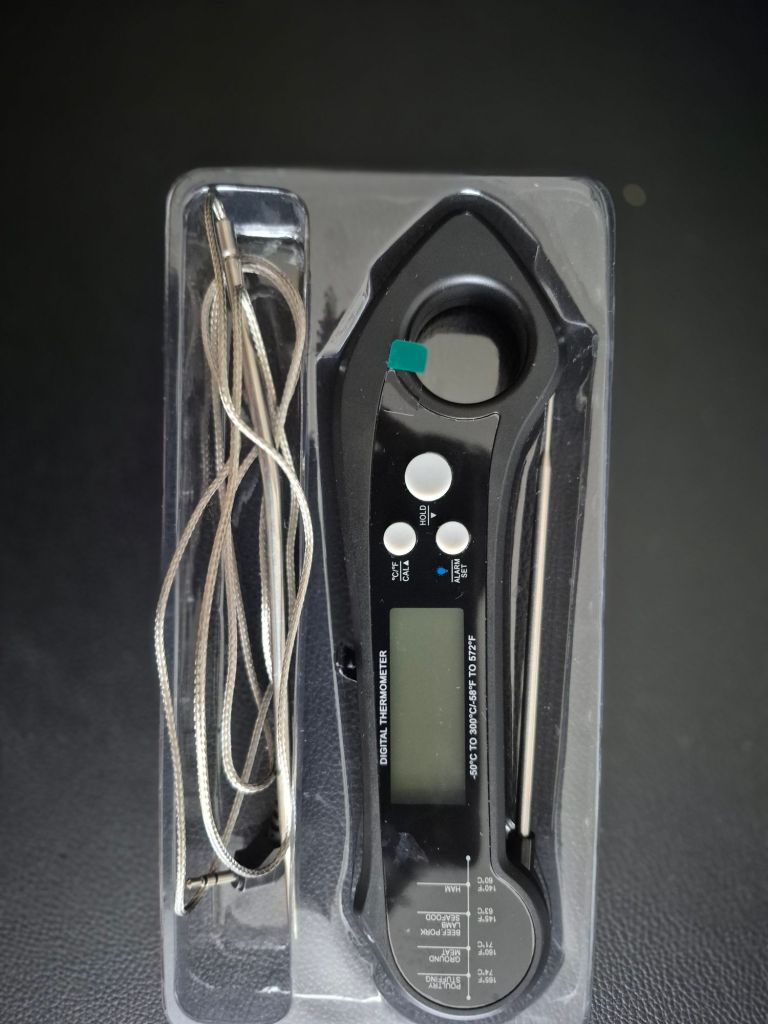
That thermometer had its own history.
Three years earlier, I had bought it because I decided I wanted to learn how to roast a turkey. That experiment did not go particularly well. Since I was the only person in my household who ate turkey, I ended up with that bird for approximately three months.
Three months is long enough to reconsider one’s relationship with roasted poultry.
I never used the thermometer again. In fact, I had completely forgotten about it until I started making a list of the tools I would need for soapmaking. There it was—my once-used, retired turkey thermometer, apparently waiting patiently for a second career.
The night before I planned to make the soap, I prepared everything.
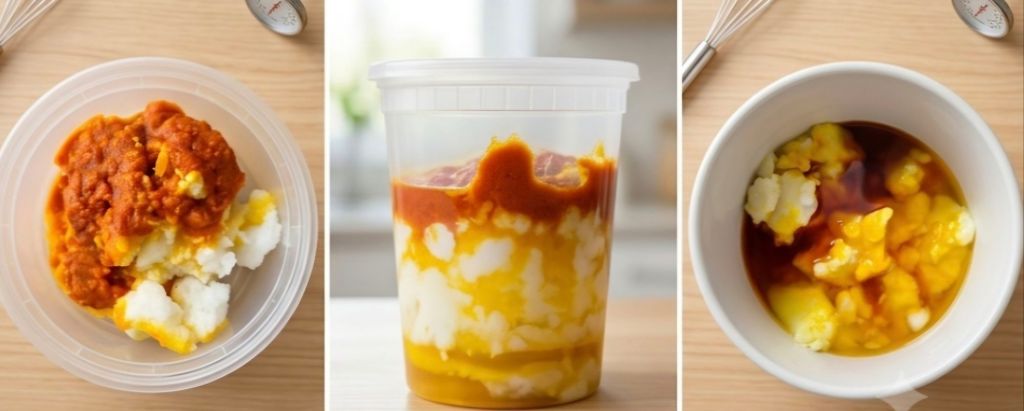
I gathered all of my tools and ingredients and laid them out. The oils, butters, and NaOH were measured into their respective containers and set aside. Everything was arranged so that when production day arrived, there would be nothing left to do except follow the recipe.
My goal was simple: eliminate as many opportunities for mistakes as possible.
And, for the most part, everything went beautifully.
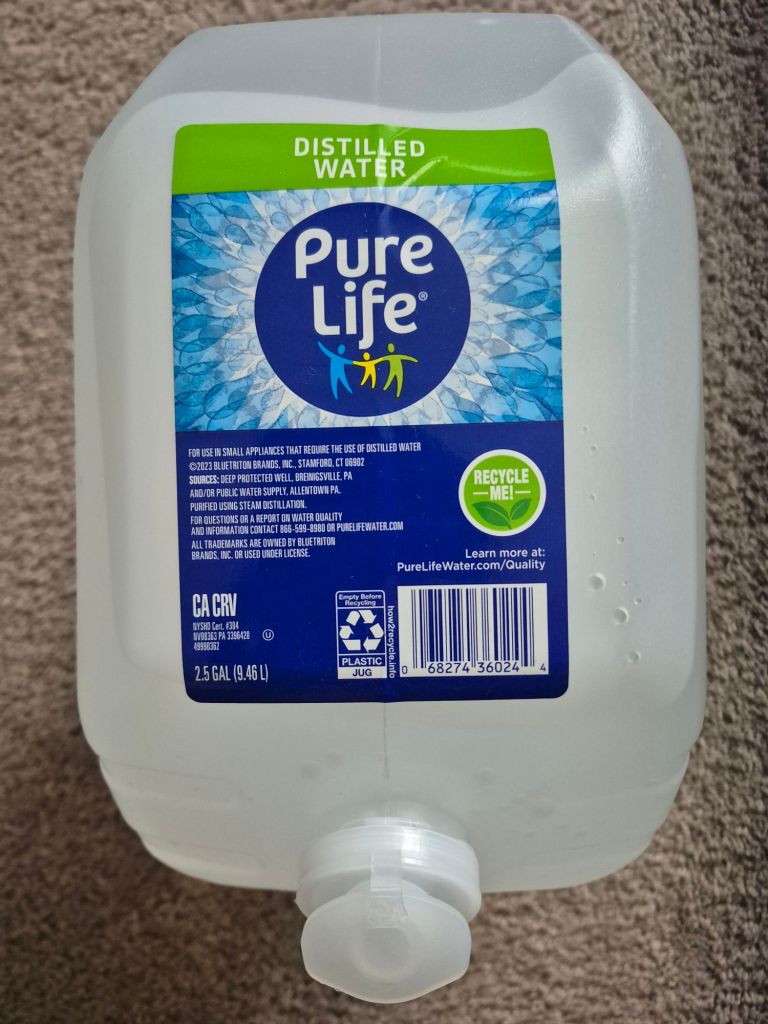
I melted the butters, combined them with the oils, and prepared the sodium hydroxide solution using distilled water. The mixing bowl was ready. The immersion blender was ready. The molds were ready.
Then came the moment when I was supposed to measure the temperature of the oils and the NaOH solution.
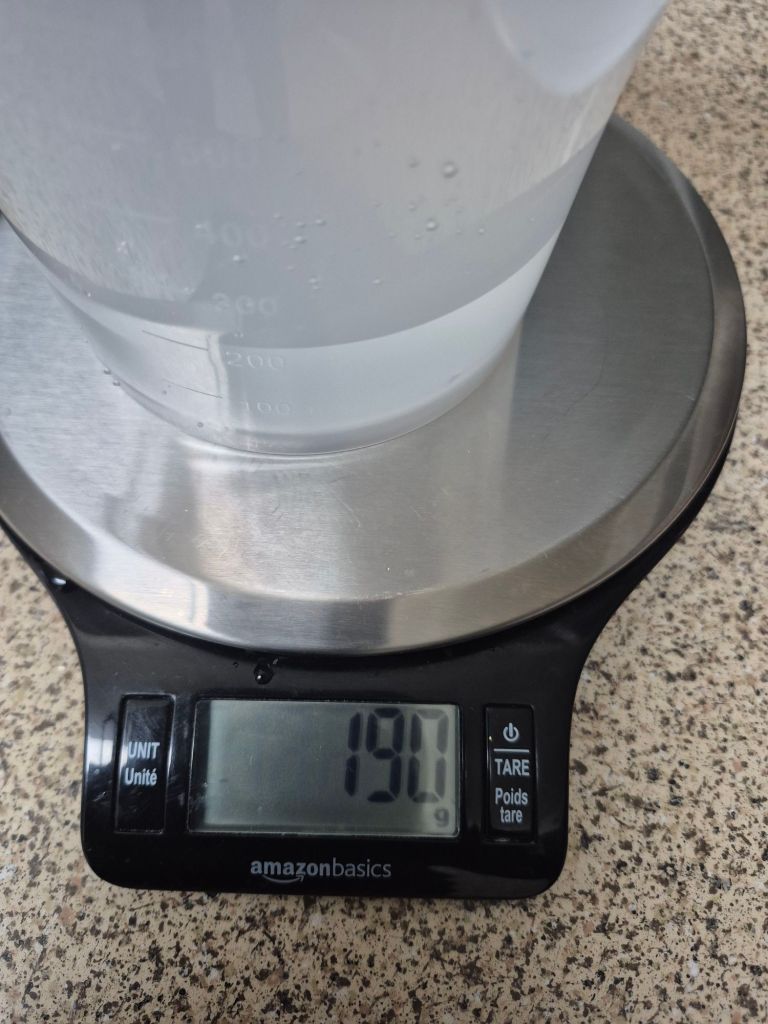
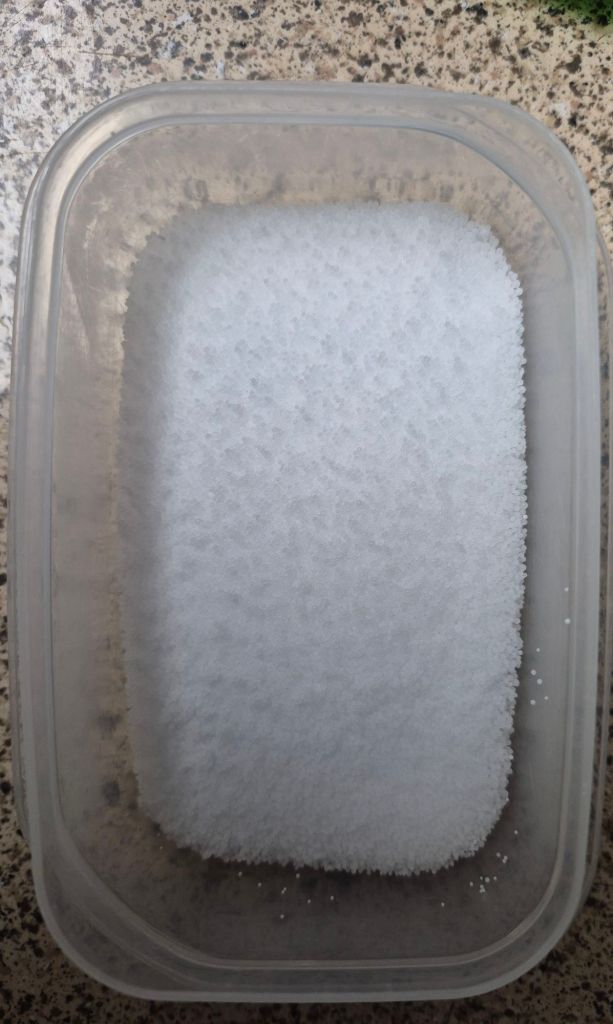
And that’s when I discovered that I had absolutely no recollection of how to use my thermometer.
Of course.
Everything had been so carefully prepared, and the one thing I hadn’t prepared for was not knowing how to operate the thermometer.
At that point, I had a decision to make. I could stop everything and disappear down another research rabbit hole trying to figure out how to operate a three-year-old thermometer, or I could proceed without the temperature readings.
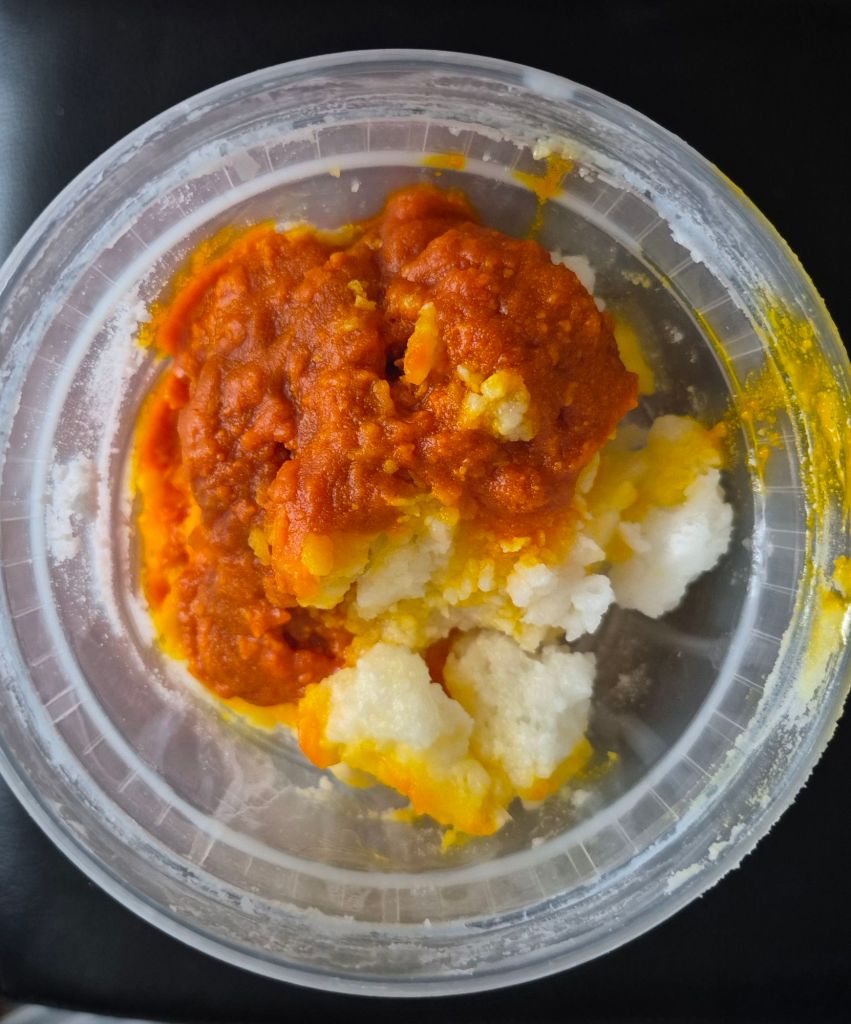
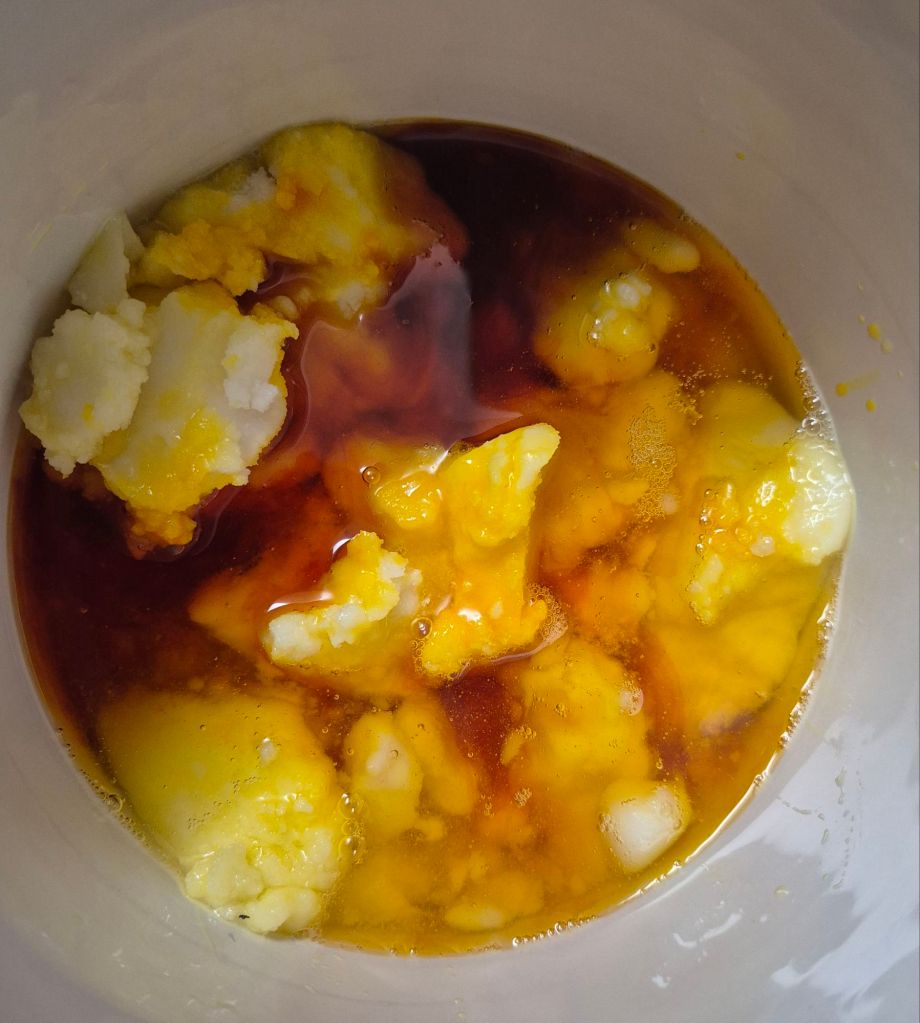
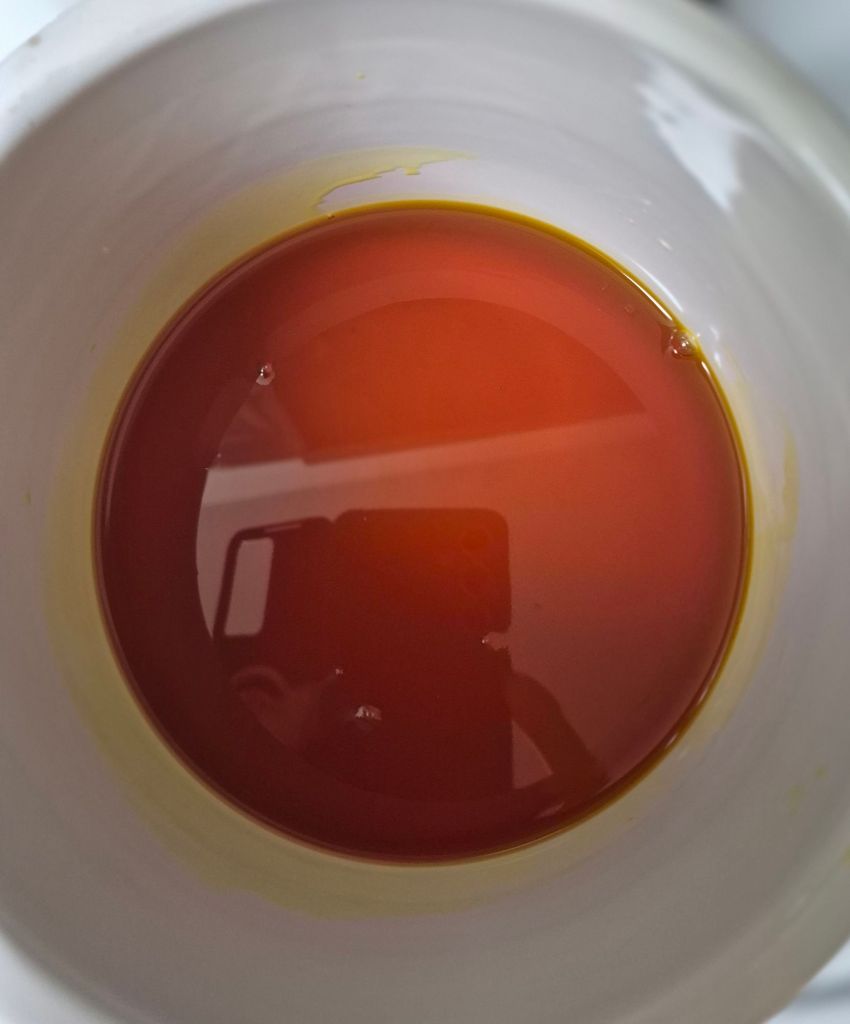
Because the oils and NaOH solution were already prepared, I decided to continue. I felt that stopping at that point and improvising with something I hadn’t researched would create more uncertainty than simply proceeding with what I had.
So I poured and mixed.
And almost immediately, the mixture began turning into something resembling pudding.
Apparently, my first lesson in soapmaking was going to be about trace.
More specifically, it was going to be about how quickly trace can happen when you put an immersion blender in the equation.
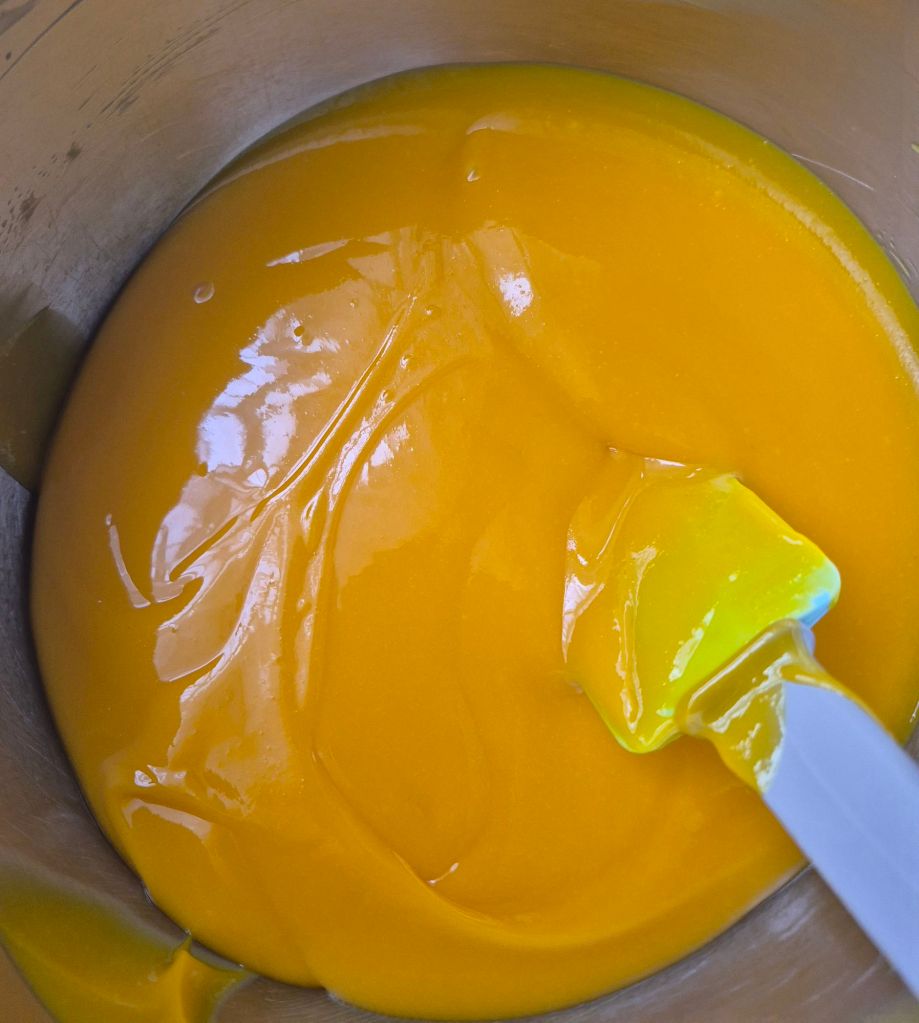
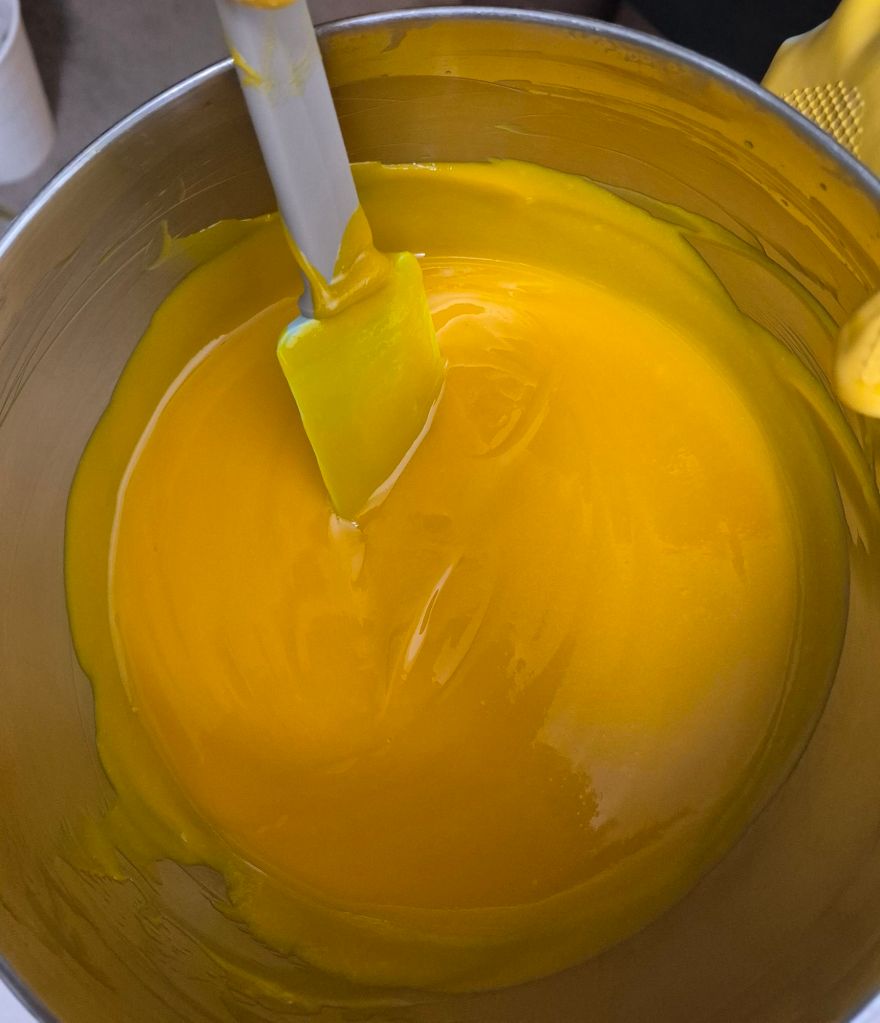
I went full throttle with the immersion blender.
In hindsight, that was probably not my finest moment.
I did notice that there appeared to be some oils that hadn’t completely blended into the mixture. So I put the immersion blender down and switched to a spatula. I continued mixing manually for what felt like about twenty minutes.
This was where theory and practice really separated.
I understood, in theory, what trace was supposed to look like. I had watched enough videos to recognize the terminology. I knew what people meant when they talked about light trace, medium trace, and thick trace.
But standing there with an actual bowl of soap batter in front of me was different.
I was confused.
Was it thick enough? Was it still moving too quickly? Was what I was seeing actually trace? Had I already gone too far?
Eventually, I made a judgment call.
Rather than deciding the soap was ready based entirely on how thick the batter had become, I focused on the fact that the visible runny oils had disappeared and the mixture appeared to be incorporated.
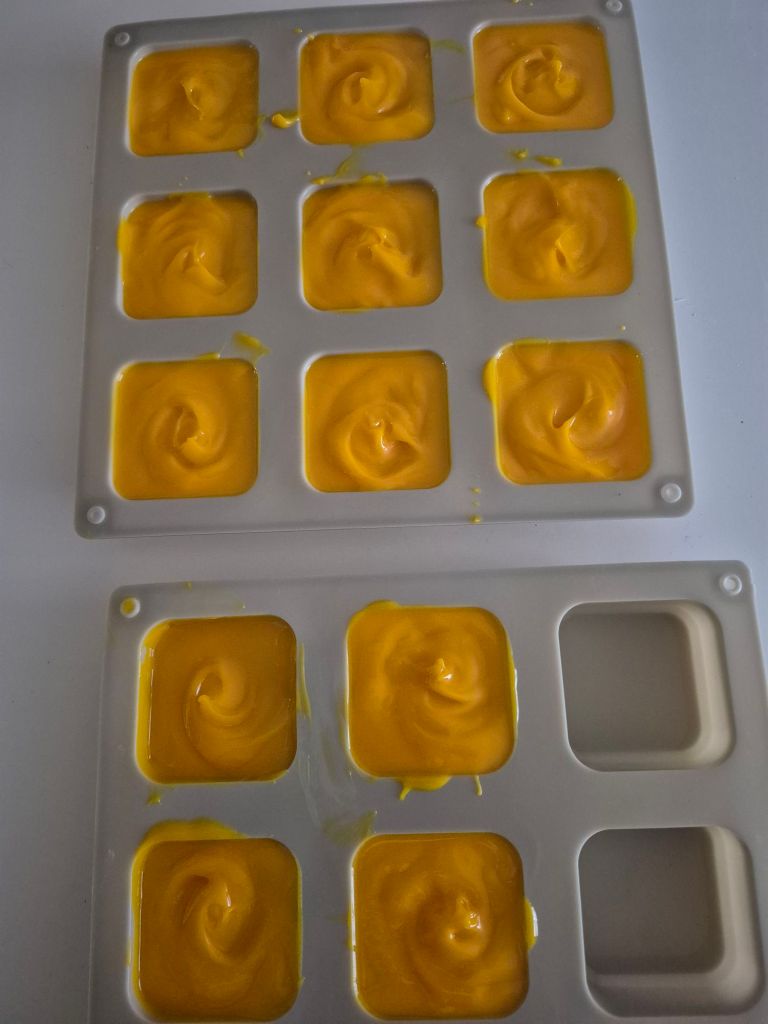
I poured the batter into the molds.
Done.
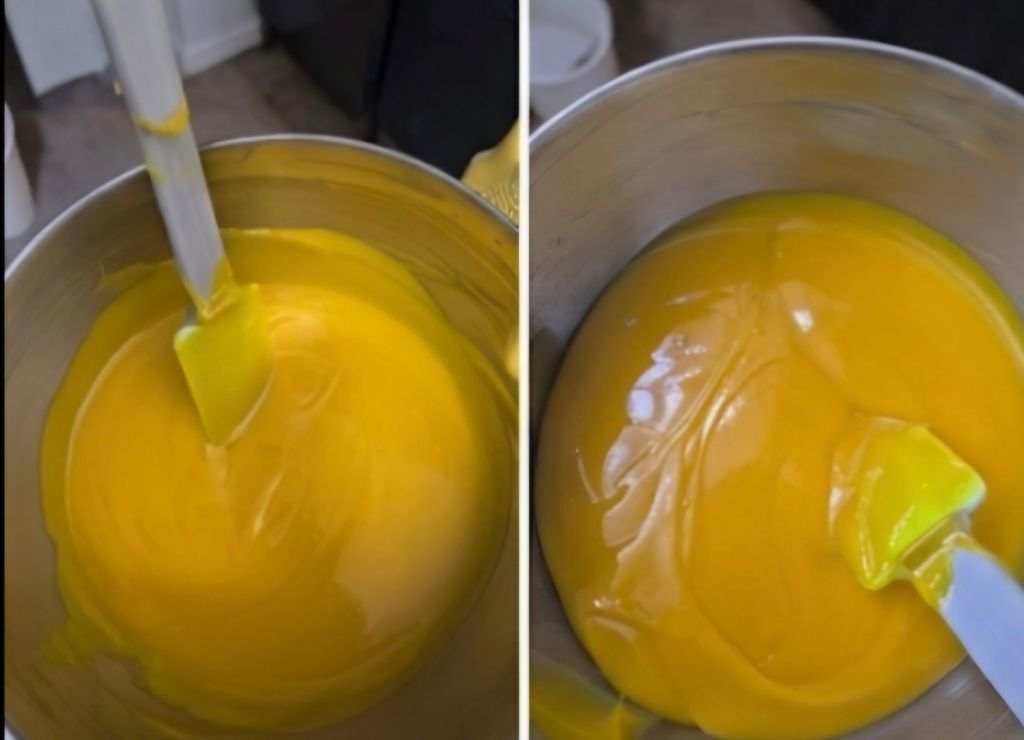
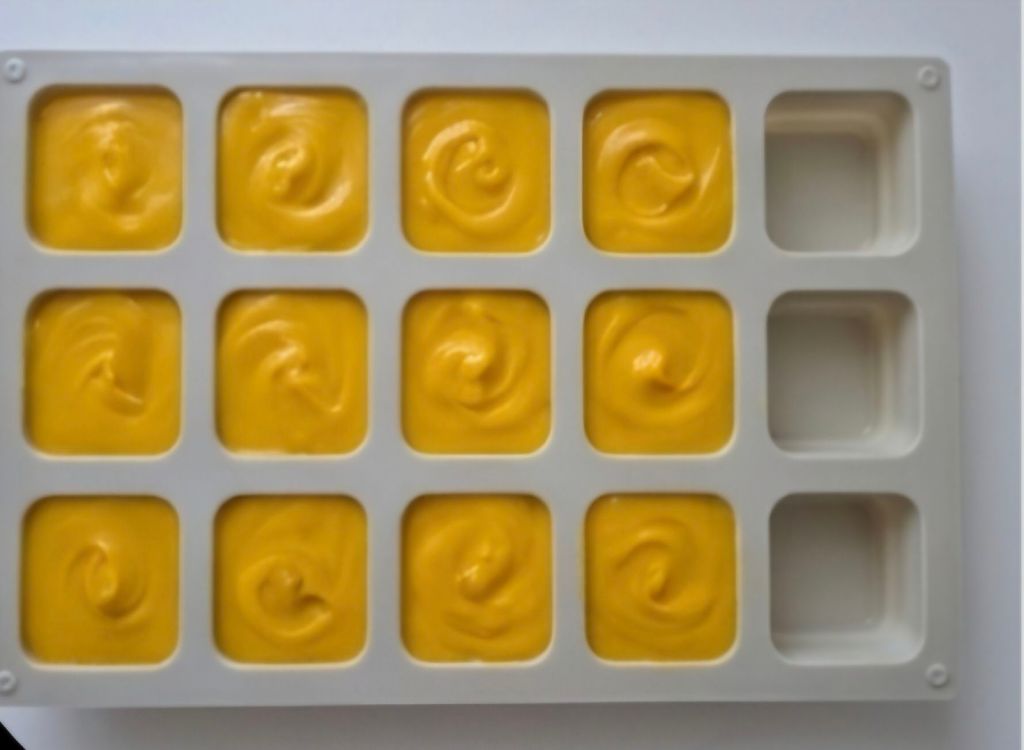
At that point, I reminded myself that this was a test batch. If I had made a mistake, that was okay. In fact, that was partly the point.
I would document what happened, research the things I didn’t understand, figure out where I might have gone wrong, and use that information for the next batch.
That’s how I’m approaching this entire process.
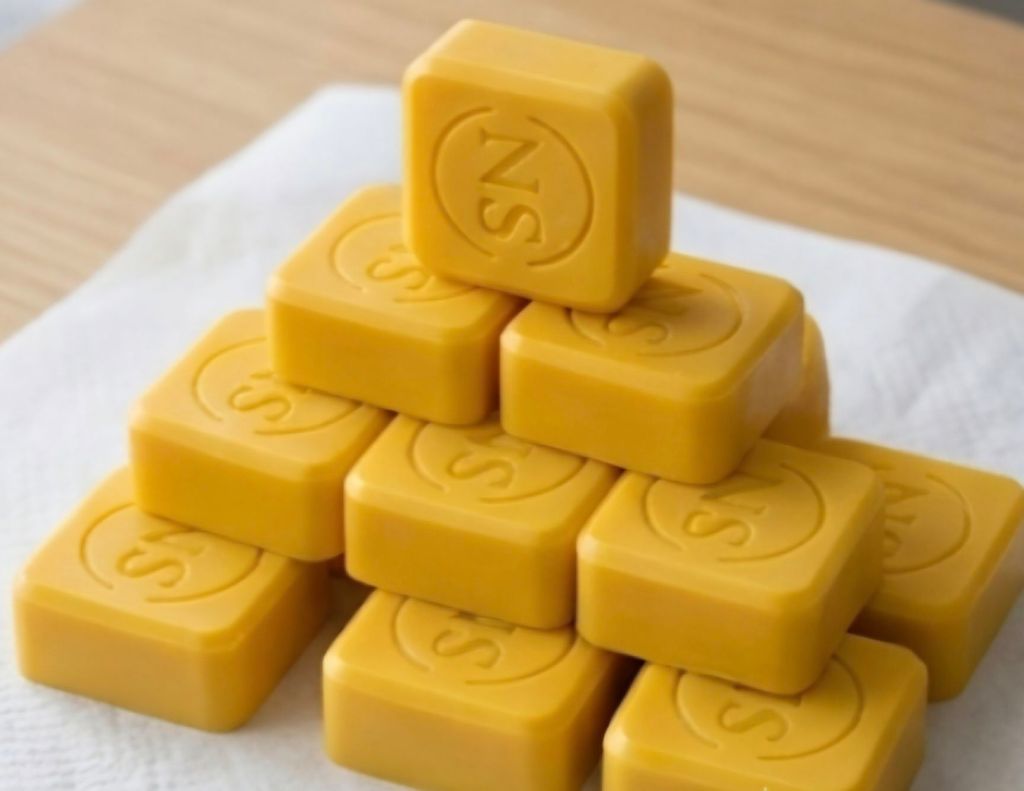
The soap came out of the molds about sixteen hours after pouring. I stamped each bar with my logo and placed them on the curing rack, where they will remain for the recommended six to eight weeks.
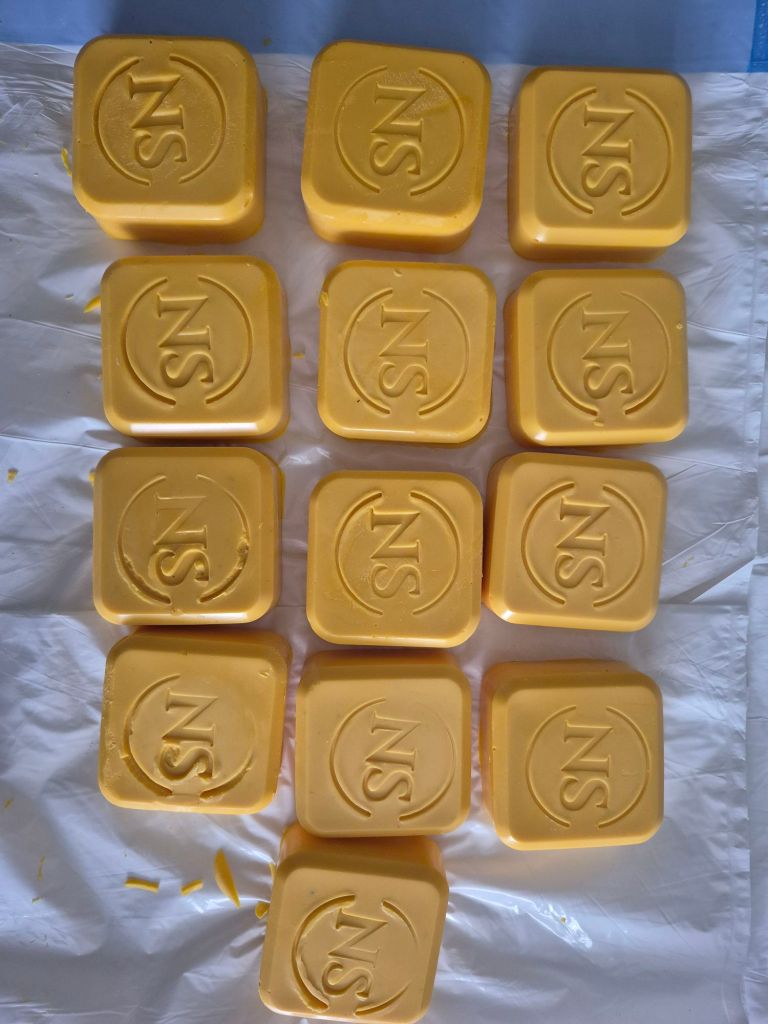
And now I wait.
I don’t yet know how these bars will behave as soap. I won’t know how they lather, how they feel on the skin, how hard they will become, or whether there are things about the formulation or process that I need to change until the curing process is further along.
So for now, the verdict is still out.
Aesthetically, however?
I’m very pleased with them.
They may be my first batch, and they may have introduced me to several things I clearly still need to learn, but there is something deeply satisfying about looking at those little bars sitting on the curing rack and knowing that I made them.
Not perfectly.
Not according to some flawless first attempt.
But deliberately. Carefully. With research, curiosity, a little uncertainty, and a willingness to learn from whatever happens next.
And honestly, that feels like a pretty good way to begin.


Leave a comment